
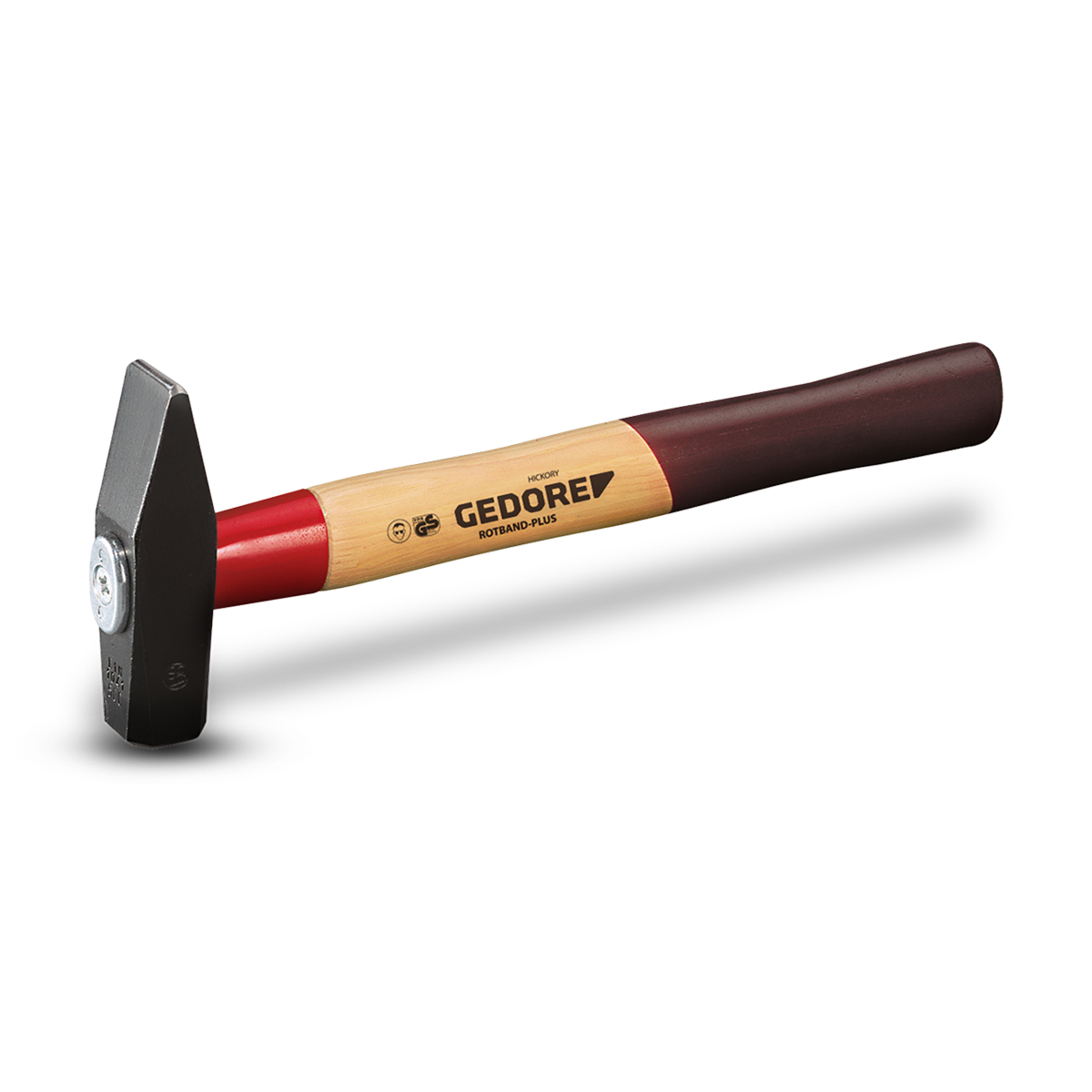
Description
Striking tools generally encompass, along with examples and common uses:
Core Characteristics of Striking Tools:
- Impact
The defining feature is their ability to deliver a forceful blow. - Hammering/Driving
They are typically used to hit, drive, pound, or smash. - Force Transfer
They are designed to transfer kinetic energy efficiently to a target.
Examples:
- Ball-peen Hammer
Used for metalworking, shaping, and riveting. - Sledgehammer/Mallet
Heavy-duty hammers for demolition, driving posts, or working with chisels. - Rubber Mallet/Soft-face Hammer
Used for striking surfaces that could be damaged by metal, such as wood, upholstery, or delicate components. - Framing Hammer
Larger, heavier hammers designed for construction and framing. - Drywall Hammer
Features a specialized head for hanging drywall.
In summary, striking tools are essential in many trades and DIY projects, providing the means to apply controlled force and impact to achieve specific outcomes.


Reviews
There are no reviews yet.