
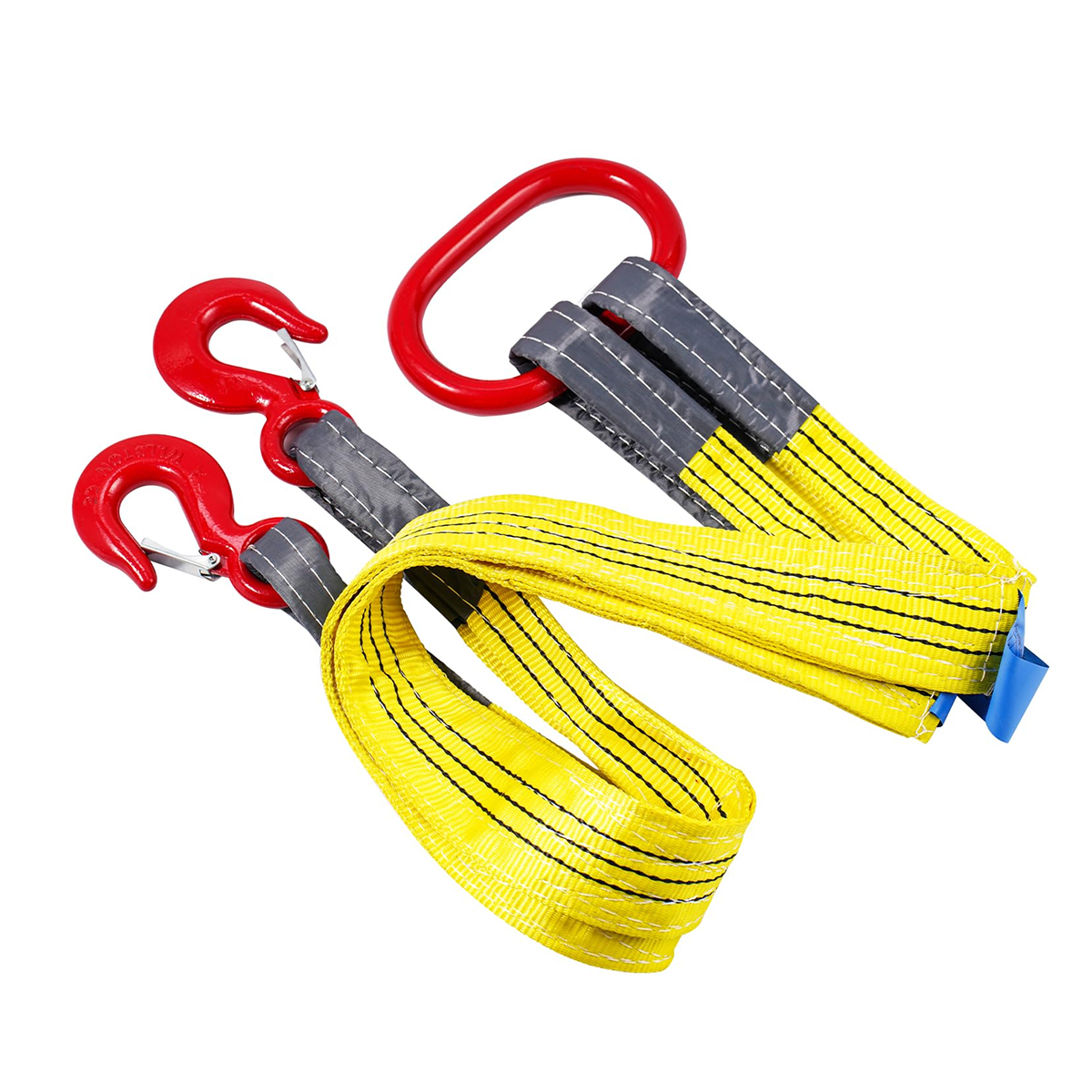
Description
“Slings for Cranes” is a broad and very practical topic related to lifting operations and safety.
It encompasses a wide range of information. To provide you with the most helpful response, I need a little more context. However, I can give you a comprehensive overview of what “Slings for Cranes” generally means and what aspects are important:
What are Slings for Cranes?
Slings are essential rigging components used to attach a load to a crane hook. They act as the intermediary, transferring the lifting force from the crane to the object being lifted. The choice and use of slings are critical for safe and efficient lifting operations.
Key Aspects of Slings for Cranes
-
Types of Slings:
This is a major category and includes:-
Wire Rope Slings
Made from strands of wire rope twisted together. They are strong, durable, and versatile. Common types include single leg, multi-leg (e.g., two-leg, three-leg, four-leg), and endless slings. -
Chain Slings
Made from forged alloy steel chain links. They are very strong, resistant to abrasion and cuts, and can handle high temperatures. Often used for heavy, rough loads. -
Synthetic Webbing Slings
Made from polyester, nylon, or other high-strength synthetic fibers. They are lightweight, flexible, and won’t damage the load’s surface. Excellent for delicate or polished items. Types include flat web slings and round slings. -
Metal Mesh Slings
Made from interwoven metal wire. They are strong, durable, and have good heat resistance. Often used for lifting hot or abrasive materials.
-
Wire Rope Slings
-
Selection Criteria
Choosing the right sling involves considering several factors such as the load’s weight, shape, temperature, environment, and lifting angle.


Reviews
There are no reviews yet.