

Description
Standby generators are crucial for providing backup power when the main electricity supply fails. They automatically turn on and switch the power source to your home or business. Here’s a breakdown of the basic types of standby generators:
The primary classification of standby generators is based on their fuel source. This is the most significant factor influencing their operation, cost, and maintenance.
1. Diesel Generators
- Fuel Source
Uses diesel fuel stored in a dedicated tank on your property. - Pros
- High Power Output and Durability
Diesel engines are known for their power, reliability, and longevity, making them ideal for demanding applications. - Excellent Fuel Efficiency
Diesel generally offers good fuel economy. - Can Run for Extended Periods
With sufficient fuel storage, diesel generators can operate for very long durations. - Lower Emissions (per unit of power)
While diesel has higher particulate emissions, it can be more fuel-efficient, leading to potentially lower overall emissions for the same amount of power generated compared to some gasoline engines.
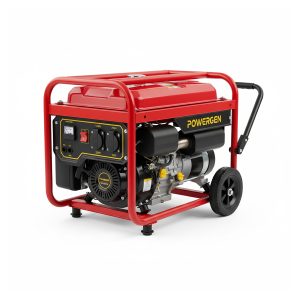
2. Gasoline Generators (Less Common for Standby)
- Fuel Source
Uses gasoline stored in a tank on the generator itself or connected to a larger external tank. - Pros
- Lower Initial Cost
Gasoline generators are typically the most affordable to purchase. - Readily Available Fuel
Gasoline is widely available.
In summary, for automatic standby power, natural gas and propane generators are the most common and practical choices. Diesel generators are typically reserved for larger, more demanding commercial or industrial applications where extended run times and robust power output are paramount. Gasoline generators are generally not suitable for true standby applications.



Reviews
There are no reviews yet.