
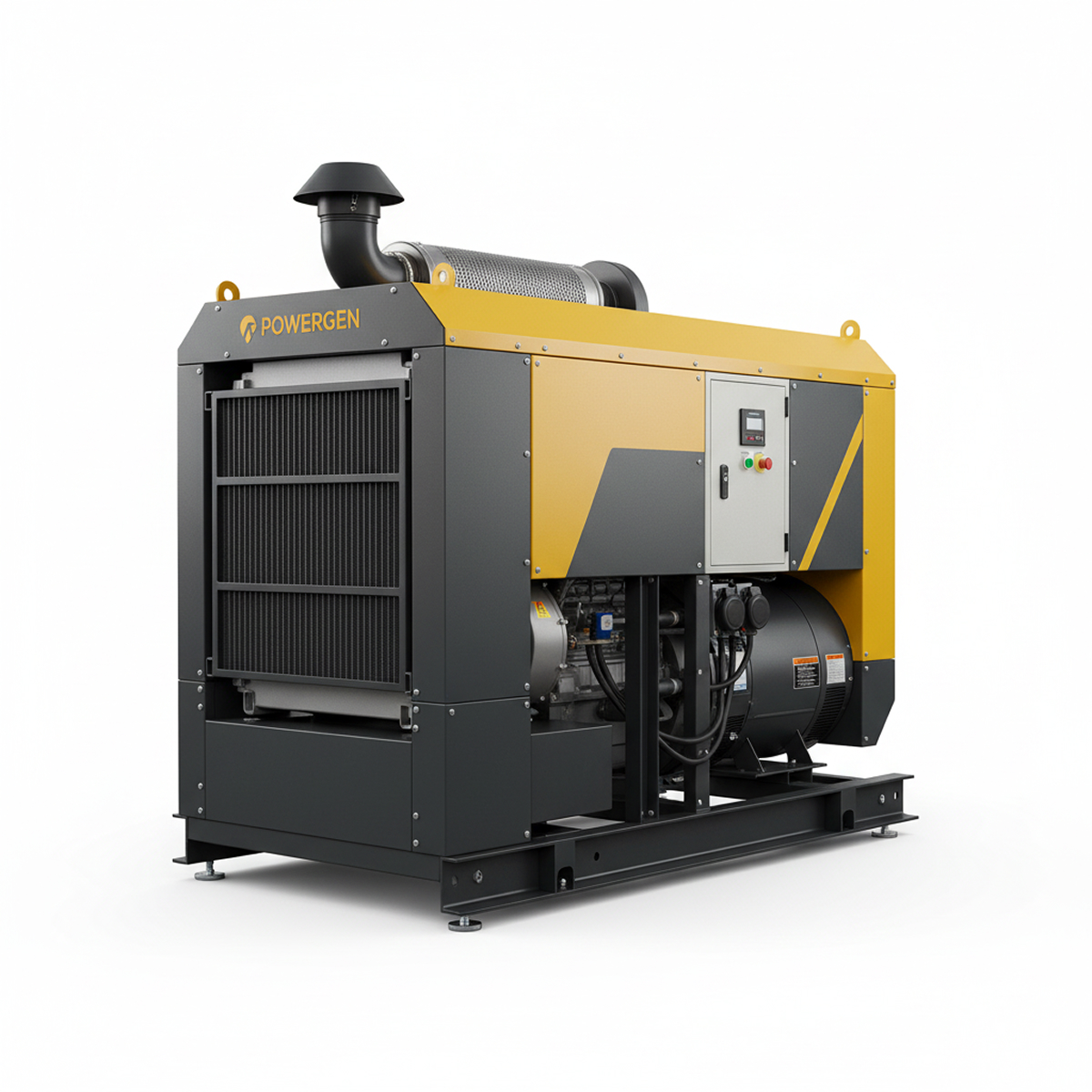
Description
Diesel generators are broadly categorized based on their design, application, and features. Here are the basic types of diesel generators:
1. By Engine Configuration
- Single-Cylinder Generators
These are typically small, portable, and used for light-duty applications like powering individual appliances, charging batteries, or for camping. They are generally less efficient and noisier than multi-cylinder engines. - Multi-Cylinder Generators
These are the most common type and feature engines with multiple cylinders (2, 3, 4, 6, etc.). More cylinders generally translate to: - Smoother operation
Reduced vibration and noise. - Higher power output
Capable of powering larger loads. - Improved fuel efficiency
Distributes the load across more cylinders. - Better torque and power delivery.
2. By Application/Usage
- Portable Diesel Generators
- Description
Compact, lightweight, and often mounted on wheels for easy transport. They are designed for temporary power needs. - Applications
Construction sites, outdoor events, emergency backup for homes, recreational vehicles (RVs), powering tools, and small businesses. - Power Range
Typically range from a few kilowatts (kW) to around 20-30 kW. - Standby Diesel Generators
- Description
Designed for automatic startup and operation during power outages. They are typically permanently installed and connected to the building’s electrical system via an Automatic Transfer Switch (ATS). - Applications
Homes, hospitals, data centers, businesses, industrial facilities, and any location where continuous power is critical. Industrial facilities, large commercial buildings, heavy machinery, and applications requiring high power and stable voltage.
Understanding these basic types will help you choose the right diesel generator for your specific needs. The key factors to consider are the power requirement, intended use, location, noise sensitivity, and budget.


Reviews
There are no reviews yet.