
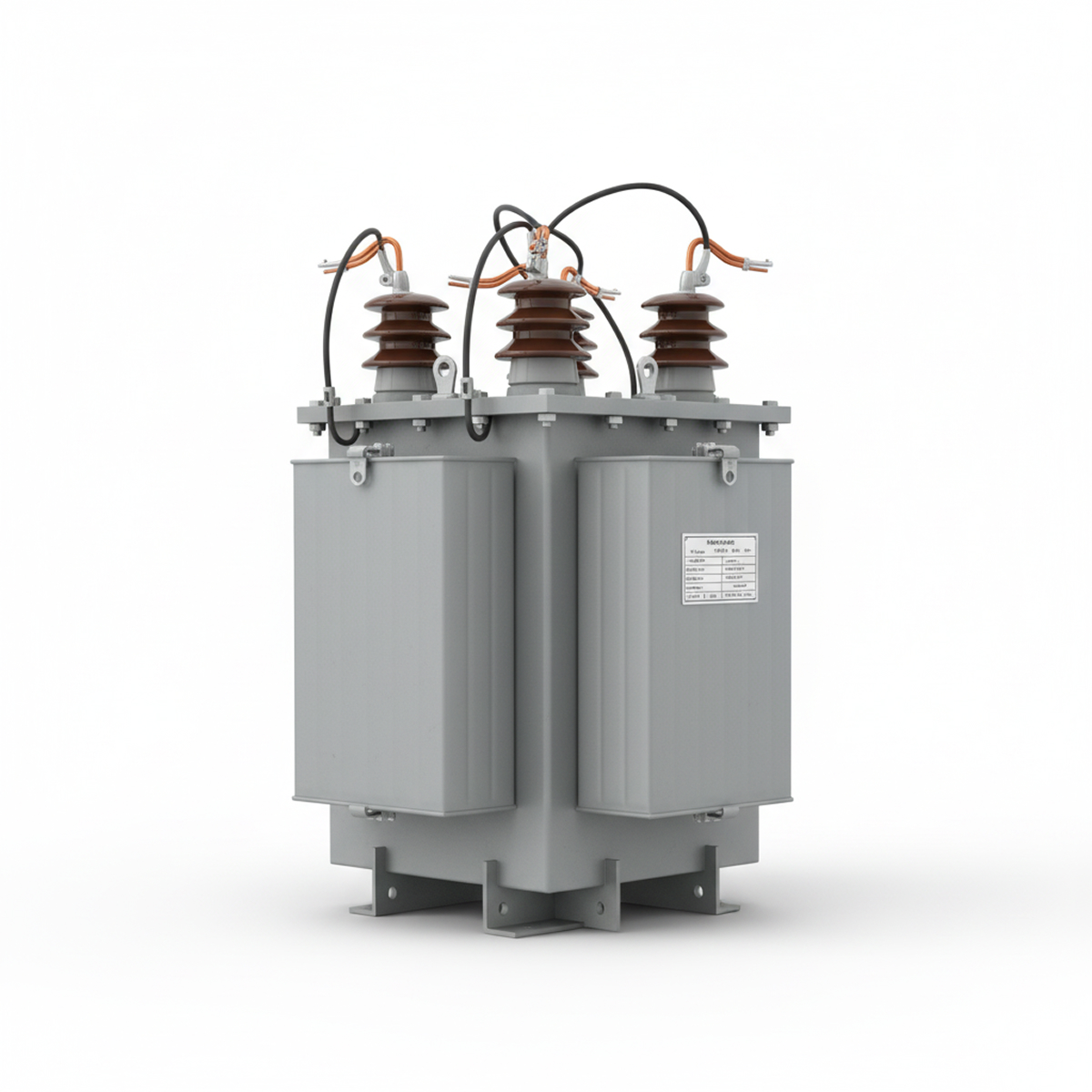
Description
“Distribution transformer” is a fundamental component of any electrical power grid. Here’s a breakdown of what it is and its importance:
What is a Distribution Transformer?
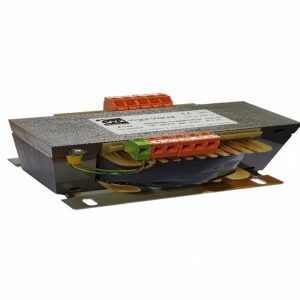
A distribution transformer is an electrical transformer used in the distribution system of an electricity network. Its primary function is to step down the voltage from a higher voltage level, typically used for transmission and sub-transmission, to a lower voltage level that is safe and practical for use by end-consumers (homes, businesses, factories).
Key Characteristics and Functions:
- Voltage Transformation: This is their core purpose.
- In simpler terms: Imagine electricity as water flowing through pipes. The transmission lines are like major highways for water, carrying it at high pressure. The distribution transformer is like a local faucet in your house that reduces that high pressure to a manageable level for you to use.
- If you have any more specific questions about distribution transformers, feel free to ask! For example, you might want to know about:
- Their operational principles (how they work).
- Different types of cooling methods.
- Maintenance and common issues.
- Their role in smart grids.


Reviews
There are no reviews yet.