
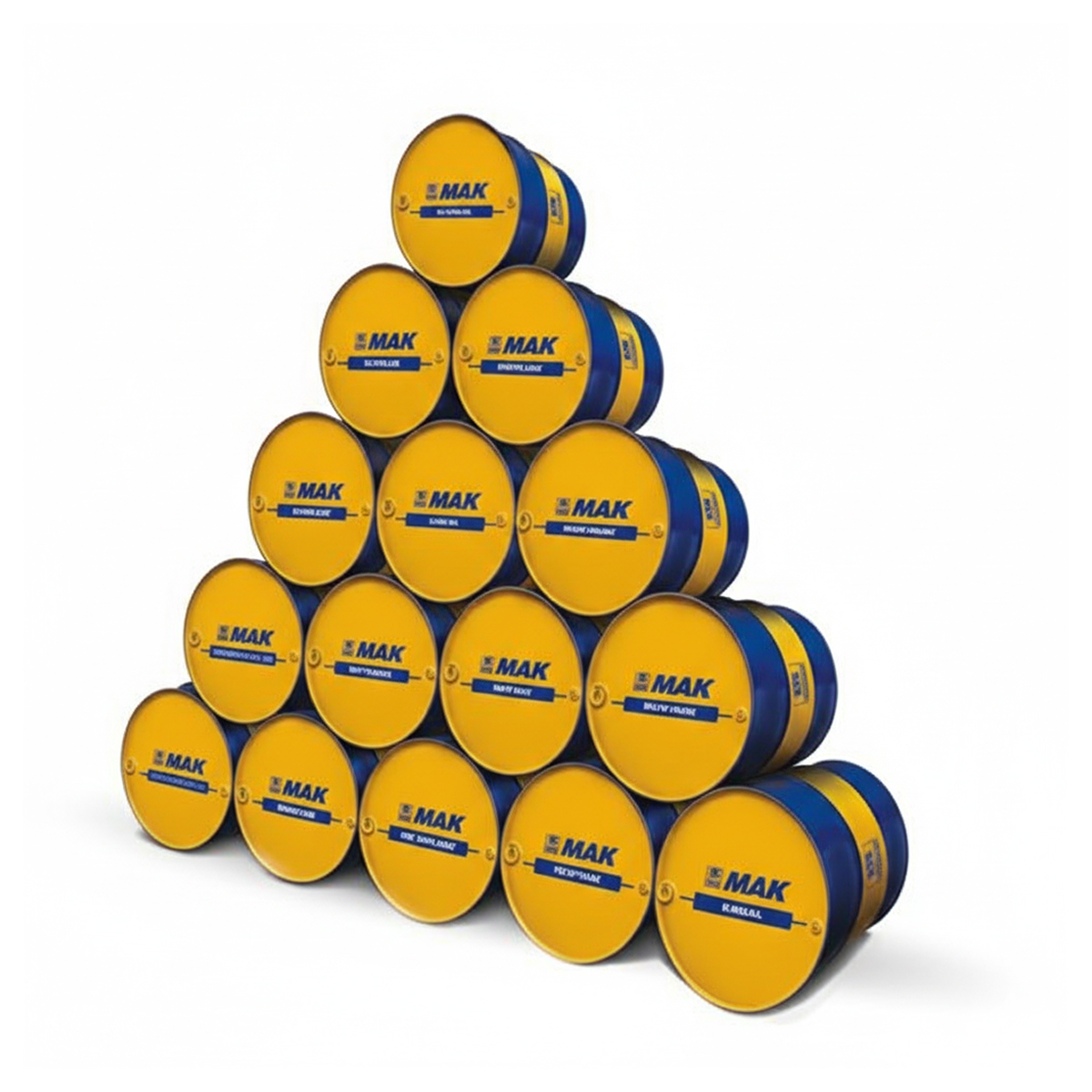
Description
The right grease is crucial for the efficient and reliable operation of these heavy-duty machines. Rolling mills operate under extreme conditions: high loads, high temperatures, significant contamination (scale, water, metal fines), and continuous operation. Therefore, greases used in these applications need to be specifically formulated to withstand these challenges. Here’s a breakdown of the key types of grease and their characteristics relevant to rolling mills, along with factors to consider:
I. Major Grease Types Used in Rolling Mills (Based on Base Oil & Thickener): The primary distinction in greases is their base oil (the liquid lubricant) and their thickener (which gives grease its semi-solid structure).
A. Mineral Oil Based Greases: These are the most common and often the most cost-effective.
- Calcium Sulfonate Complex Grease
- Characteristics
Excellent water resistance, high load-carrying capacity, good rust and corrosion protection, excellent shear stability. - Lithium Complex Grease
- Characteristics
Good overall performance, good water resistance, good temperature range, good shear stability. - Polyurea Grease
- Characteristics
Excellent high-temperature performance, excellent water washout resistance, good shear stability. - Polyurea Thickeners
- Characteristics
Excellent biodegradability (environmentally friendly), good high-temperature performance, good solvency for deposits.
Calcium sulfonate complex greases are extremely popular due to their balanced performance in harsh environments, while synthetic options offer superior capabilities for the most demanding applications.
It’s highly recommended to consult with lubricant manufacturers and equipment engineers to determine the optimal grease for your specific rolling mill application. They can provide detailed product recommendations and technical support.


Reviews
There are no reviews yet.