
Description
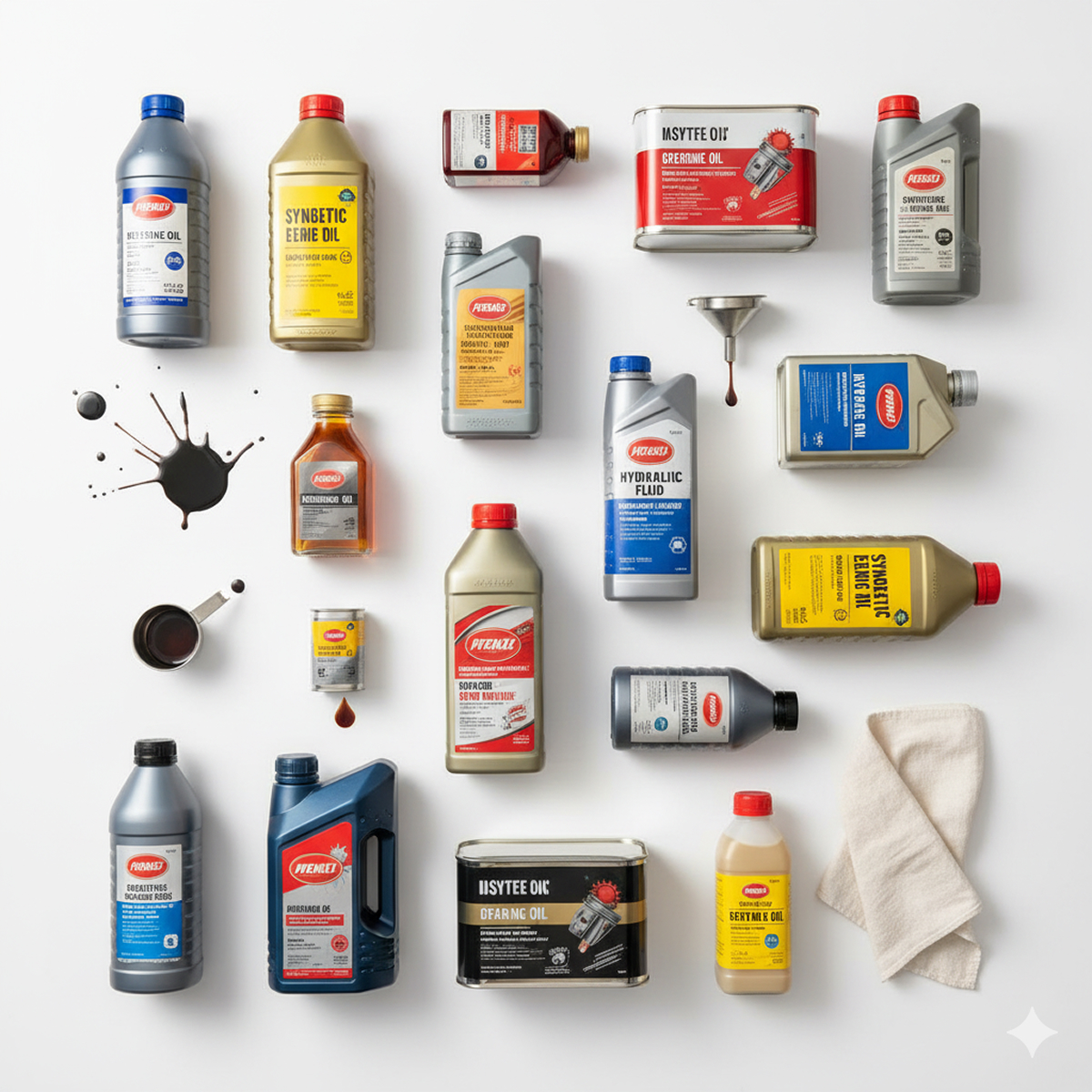
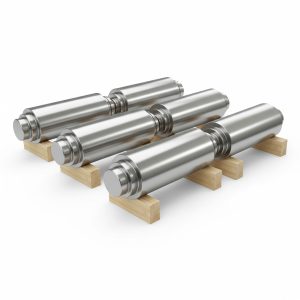
When we talk about “all types of oil for rolling mills,” we’re encompassing a broad range of lubricants and fluids crucial for the efficient and effective operation of these heavy-duty industrial machines. Rolling mills deform metal by passing it through rollers, and this process generates immense heat, pressure, and friction. Lubricants are essential to manage these forces and ensure smooth operation, reduce wear, and improve the quality of the rolled product. Here’s a breakdown of the different types of oils and fluids used in rolling mills, categorized by their primary function:
1. Lubricating Oils (Circulating Oils): These are the workhorses, circulated throughout the mill to lubricate critical moving parts.
- Mineral Oils
The most common type, derived from petroleum. They offer good lubricating properties and are cost-effective. - Rolling Oils (Emulsifiable Oils/Water-Based Fluids)
These are used directly in contact with the metal during the rolling process. They are typically oil-in-water emulsions. Reduce friction between the rolls and the metal, preventing sticking and improving surface finish. - Hydraulic Oils
Used in the hydraulic systems that control the movement of the rolls, tensioning mechanisms, and other actuators. Transmit power, lubricate hydraulic components, and dissipate heat. - Gear Oils
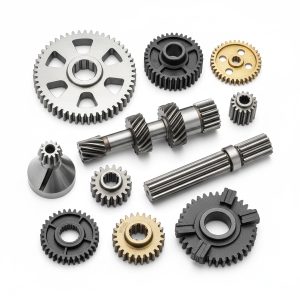
Lubricate the heavy-duty gearboxes that drive the rolling mill rolls. Reduce friction and wear between gear teeth, dissipate heat.
In summary, “all types of oil for rolling mills” encompasses a diverse array of specialized lubricants, each playing a vital role in ensuring the smooth, efficient, and reliable operation of these critical industrial machines. It’s a field where continuous innovation aims to improve performance, reduce wear, enhance energy efficiency, and minimize environmental impact.


Reviews
There are no reviews yet.