
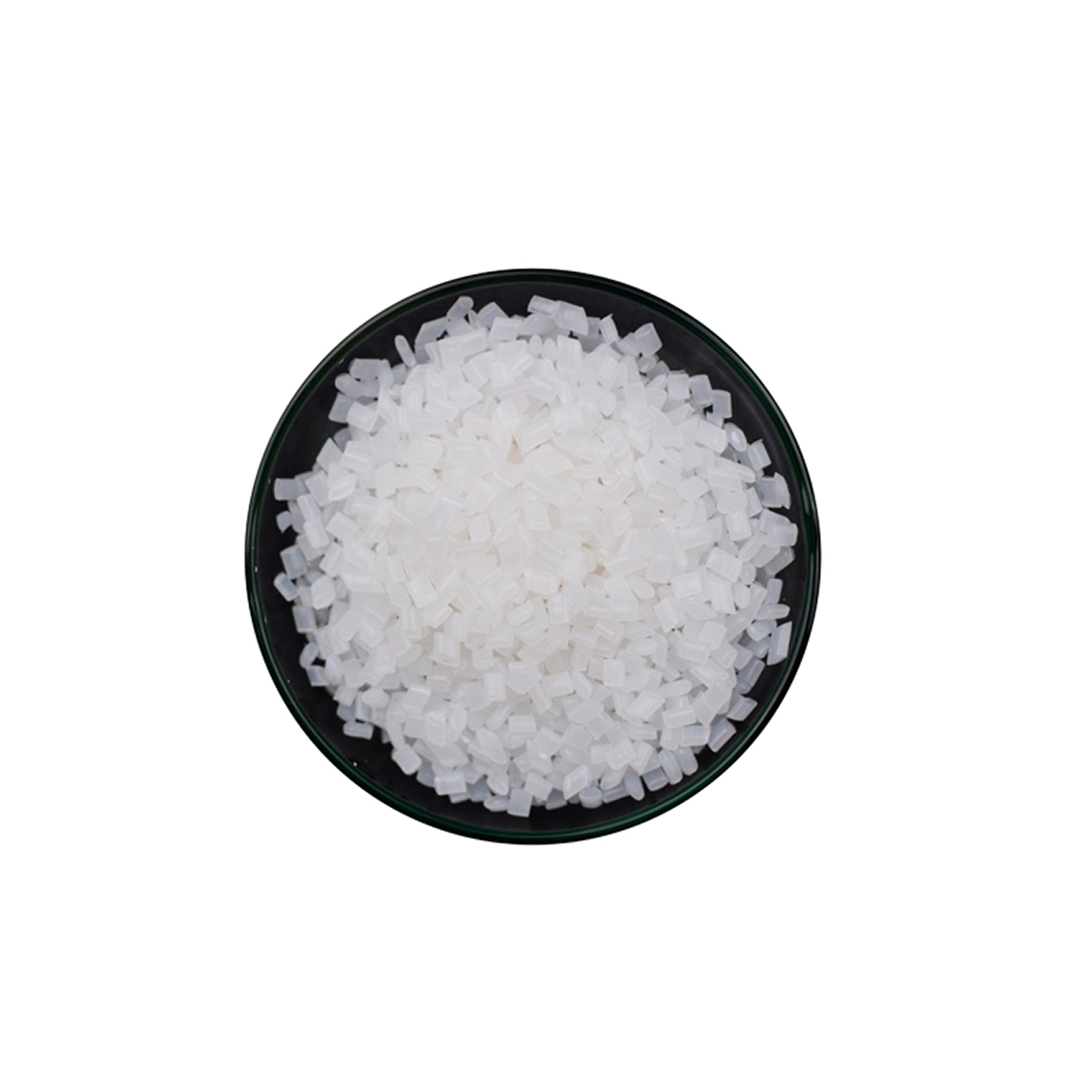
Description
Softening masterbatches are additives used in polymer processing to improve the flexibility, pliability, and overall “softness” of a plastic material. They achieve this by reducing the polymer’s glass transition temperature (Tg) or by introducing internal plasticization.
- Olefinic Softening Masterbatches (for Polyolefins like PE, PP)
- Ethylene Vinyl Acetate (EVA) Masterbatches
This is one of the most common and versatile types. EVA copolymers are inherently flexible and act as internal plasticizers for polyolefins.
- Ethylene Vinyl Acetate (EVA) Masterbatches
- Ester-Based Softening Masterbatches (for PVC and other polar polymers)
- Phthalate Ester Masterbatches
Historically, these were very common. However, due to health and environmental concerns, their use is now restricted in many regions.
- Phthalate Ester Masterbatches
- Silicone-Based Softening Masterbatches
- Silicone Oil/Elastomer Masterbatches
Silicones are known for their unique tactile properties and lubrication. - How it works? Silicone oils can migrate to the surface, providing a smooth, soft feel. Silicone elastomers can be incorporated to improve flexibility and impact strength.
- Silicone Oil/Elastomer Masterbatches
- Other Specialty Softening Masterbatches
- Mineral Oil/Paraffin Oil Masterbatches
Used in certain applications, particularly in rubber compounding or for specific aesthetic effects.
- Mineral Oil/Paraffin Oil Masterbatches


Reviews
There are no reviews yet.