
Description
PPE is a very common acronym that most frequently stands for Personal Protective Equipment. Here’s a breakdown of what that means and some other potential meanings:
1. Personal Protective Equipment (Most Common)
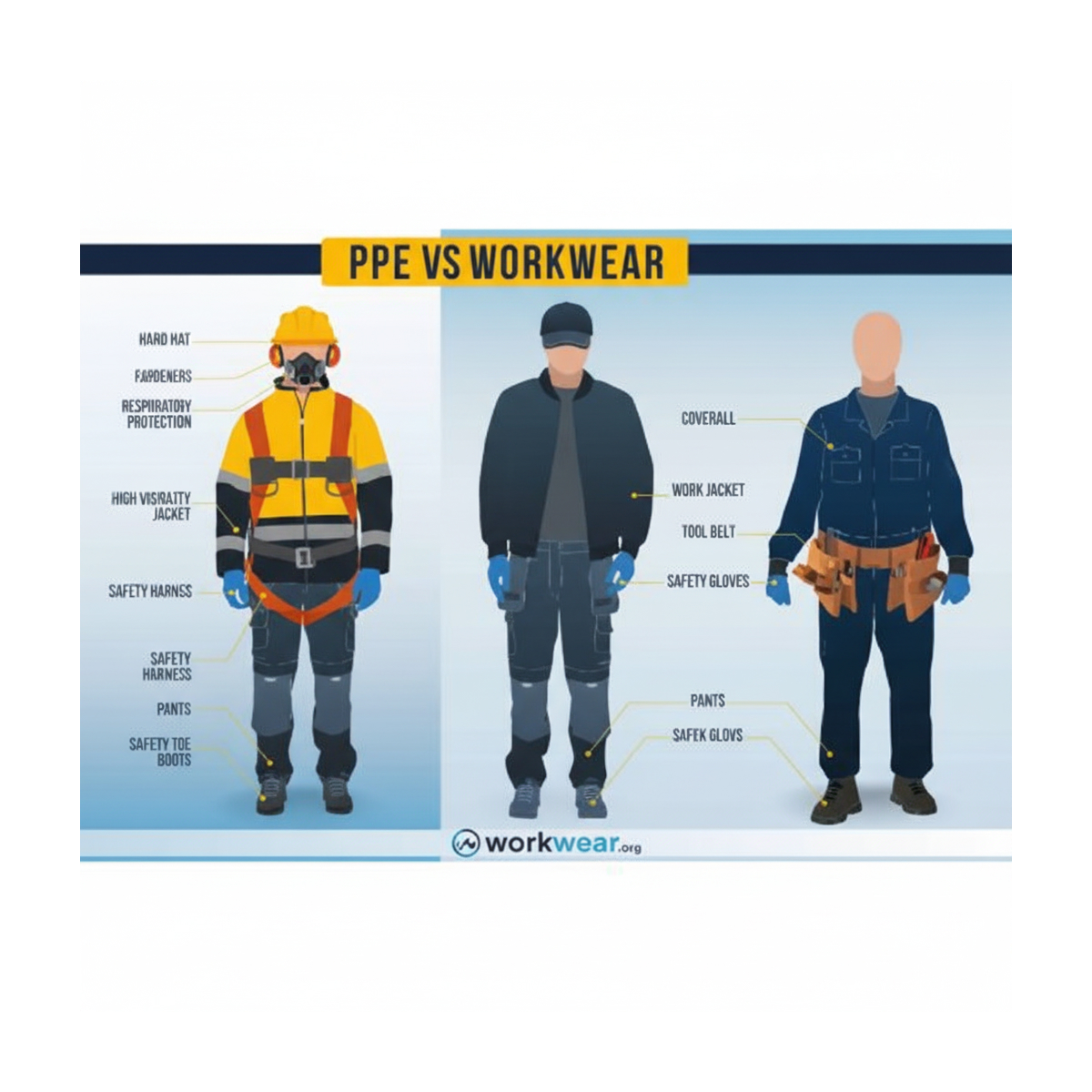
This is the most widely understood meaning of PPE. It refers to clothing or equipment worn by a person to protect them from hazards and risks. The specific type of PPE needed depends entirely on the environment and the potential dangers.
Examples of PPE include
- Health and Safety
- Gloves For protection against chemicals, cuts, or infections.
- Masks/Respirators To prevent inhalation of harmful particles, dust, or pathogens.
- Eye Protection Safety glasses, goggles, or face shields to protect eyes from debris or chemicals.
- Hard Hats To protect the head from falling objects or impacts.
- Safety Shoes/Boots With steel toes and slip-resistant soles.
- Ear Protection Earplugs or earmuffs to protect against loud noises.
- High-Visibility Clothing Vests or jackets to make workers more visible in traffic or low-light conditions.
- Aprons/Protective Suits To shield the body from splashes or hazardous substances.
- Medical
- Gloves, gowns, masks, and eye protection worn by healthcare professionals to prevent the spread of infection.
To determine the correct meaning of “PPE” in any given situation, you need to consider the context in which it’s being used.


Reviews
There are no reviews yet.