
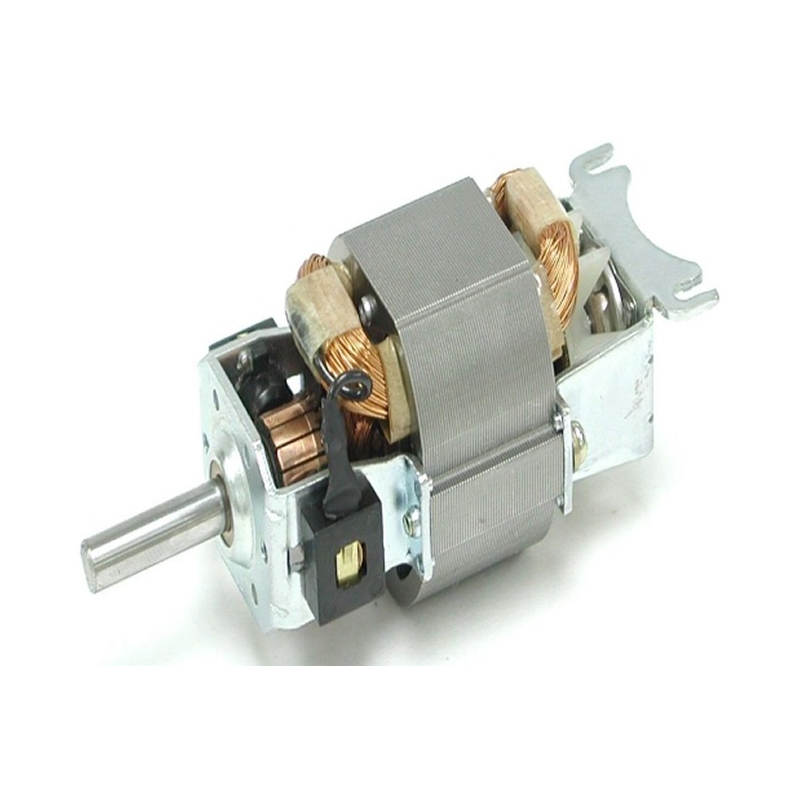
Description
Universal motors are a fascinating type of electric motor that can operate on both direct current (DC) and alternating current (AC) power. This dual functionality stems from their unique construction. While there aren’t strictly “basic types” in the way you might categorize DC motors:
- Based on Stator Construction (and therefore winding placement)
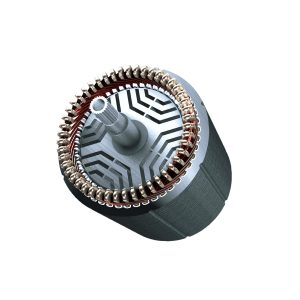
- Series-Wound Universal Motor (Most Common) This is by far the most prevalent and practically used type. In this configuration, the field windings (on the stator) and the armature windings (on the rotor) are connected in series with each other. The main current flows sequentially through both.
- Based on Rotor Construction (less of a “type” and more of a feature)
- Commutator/Brush System All universal motors rely on a commutator and brushes to reverse the current direction in the armature coils at the appropriate times. This is essential for continuous rotation. The design and material of these components can vary, affecting brush life and sparking.
In essence, when people talk about “types” of universal motors, they are almost always referring to the series-wound configuration due to its practicality and widespread use. The term “universal motor” itself implies this series-wound characteristic because it’s the only arrangement that works effectively on both AC and DC.


Reviews
There are no reviews yet.